Last updated: September 2026
If you’ve started collecting quotes for concrete work in Buffalo, you’ve probably noticed they’re all over the place. One contractor says $6,000 for a driveway, the next says $11,000, and a third won’t give you a number until they’ve walked the property. That spread isn’t random. In Buffalo, the parts of a concrete job you never see again after pour day (the base, the mix, the reinforcement and the drainage) decide whether your concrete lasts five winters or twenty-five. Those are exactly the parts a cheap bid leaves out.
This guide gives you realistic 2026 price ranges for the concrete projects Buffalo homeowners and property managers ask about most: driveways, patios, front steps, walkways and sidewalks, pool decks, stamped and decorative concrete, repairs, and commercial flatwork. You’ll also see what pushes a price up or down here, which permits you may need in the City of Buffalo and the surrounding towns, and how to compare quotes so you can tell a fair price from a future problem.
It’s written by the crew at Buffalo Concrete INC (formerly Concrete in Buffalo). The numbers and advice come from the work we price and pour every season across Buffalo and Erie County.
Want an exact number instead of a range? We’ll measure your project, check the base and drainage, and give you a written, itemized estimate at no cost.
Buffalo Concrete Prices at a Glance (2026)
These are typical installed prices, labor and materials included, for 2026 in Buffalo and the surrounding Erie County suburbs. Treat them as planning numbers, not quotes. Your site, access, and the condition of what’s there now will move the final price.
| Project | Typical price | Typical project total |
|---|---|---|
| Concrete driveway, broom finish | $8–$15 / sq ft | $4,000–$9,000 (2-car) |
| Break out and haul away old concrete | $2–$5 / sq ft | $1,000–$3,000 (2-car) |
| Concrete patio, broom finish | $8–$14 / sq ft | $2,600–$4,500 (16×20 ft) |
| Stamped concrete patio | $14–$24 / sq ft | $4,500–$7,700 (16×20 ft) |
| Front steps / stoop, poured | Per project | $2,500–$6,000 (3–4 steps) |
| Walkway or sidewalk | $8–$15 / sq ft | $1,300–$2,400 (4×40 ft) |
| Pool deck, broom finish | $10–$18 / sq ft | $5,000–$9,000 (500 sq ft) |
| Resurfacing (overlay) | $4–$8 / sq ft | $2,000–$4,800 (2-car) |
| Professional sealing | $1–$2.50 / sq ft | $500–$1,500 (2-car) |
| Commercial sidewalks, curbs, docks | Per project | Site walk required |
A “2-car” driveway here means roughly 480 to 600 square feet. Small jobs always cost more per square foot. Every job carries the same fixed costs (getting a crew and a concrete truck to the site, building forms, finishing, and cleanup), so a 100-square-foot pad will never be priced at the same per-foot rate as a 900-square-foot driveway. Most contractors, including us, have a minimum job size.
Why Concrete Costs More to Do Right in Buffalo
Concrete in Buffalo lives a harder life than concrete in most of the country. Four local conditions drive what a durable job costs here, and every one of them is a reason a lowball bid tends to fail early.
1. Snow, plows and shovels
Buffalo sits at the eastern end of Lake Erie, and lake-effect snow makes it one of the snowiest major cities in the country. That means months of plow blades, snowblower scrapers and steel shovels dragging across driveways, walks and steps. The top of the slab has to be dense and properly finished so it doesn’t wear, flake or chip at the edges.
2. Freeze-thaw cycles
The real damage comes from the swings. From late fall through early spring, Buffalo temperatures cross the freezing mark again and again. Water that soaks into concrete expands when it freezes, pushing against the cement paste from the inside. Repeat that over and over through a winter and the top layer starts to scale and pop off, especially on concrete that wasn’t made or finished for these conditions.
Crew tip: Most flaking we see in spring traces back to one of three things: a mix without air entrainment, water sitting on or under the slab, or heavy salt on concrete that was less than a year old. All three are preventable.
— Buffalo Concrete INC crew
3. Road salt and deicers
Salt doesn’t only melt ice. It keeps concrete wetter, adds more freeze-thaw cycles right at the surface, and gets tracked onto driveways, steps and garage floors from salted streets all winter long. Some deicers are much harder on concrete than others, and a few should never touch it at all.
Crew tip: Read the bag before you buy ice melt. Skip anything with ammonium nitrate or ammonium sulfate, because those attack concrete chemically. On concrete poured this year, use sand for traction instead of salt.
— Buffalo Concrete INC crew
4. Frost depth and heavy, wet soils
Western New York has a deep frost line. Local building codes set how far down footings for steps, porches and structures must go, and the whole region deals with frost heaving every winter. Driveways, patios and walkways don’t sit on footings. They float on a base, so what happens underneath matters a lot. Much of the Buffalo area has clay-heavy soil that holds water. Wet soil that freezes expands and lifts, and a thin or poorly compacted base passes that movement straight into the slab as cracks and heaving.
What that means for your price
A driveway or patio built to survive Buffalo winters costs more than one that isn’t, because it includes:
- Air-entrained concrete. Microscopic air bubbles in the mix give freezing water room to expand instead of cracking the surface. It’s standard for outdoor concrete in freeze-thaw climates, and it’s the single most important ingredient for concrete that will see road salt (see air entrainment). We pour residential flatwork with air-entrained mixes in the 3,500–4,000 PSI range.
- A real, compacted stone base that’s deep enough for your soil and graded so water drains away instead of sitting under the slab.
- Reinforcement (steel rebar or welded wire mesh) where the loads and the soil call for it.
- Properly spaced control joints, so the slab cracks where it’s supposed to, in a straight line inside the joint, instead of randomly across the surface.
- Curing and sealing, so the surface is as dense and water-resistant as possible before its first salt season.
Crew tip: When two bids for the same driveway are thousands of dollars apart, the difference is almost always in the part you’ll never see again after pour day: base depth, compaction, the mix and the reinforcement. Ask every contractor to put those four things in writing.
— Buffalo Concrete INC crew
Concrete Driveway Cost in Buffalo
Driveways are the project we price most often, and the one where quotes vary the most. For a standard broom-finish driveway in 2026, expect about $8 to $15 per square foot installed, plus $2 to $5 per square foot if an old driveway has to be broken out and hauled away first.
| Driveway type | Approx. size | New pour | Replacement (with tear-out) |
|---|---|---|---|
| City driveway to a rear garage | 10×50 ft (500 sq ft) | $4,000–$7,500 | $5,000–$10,000 |
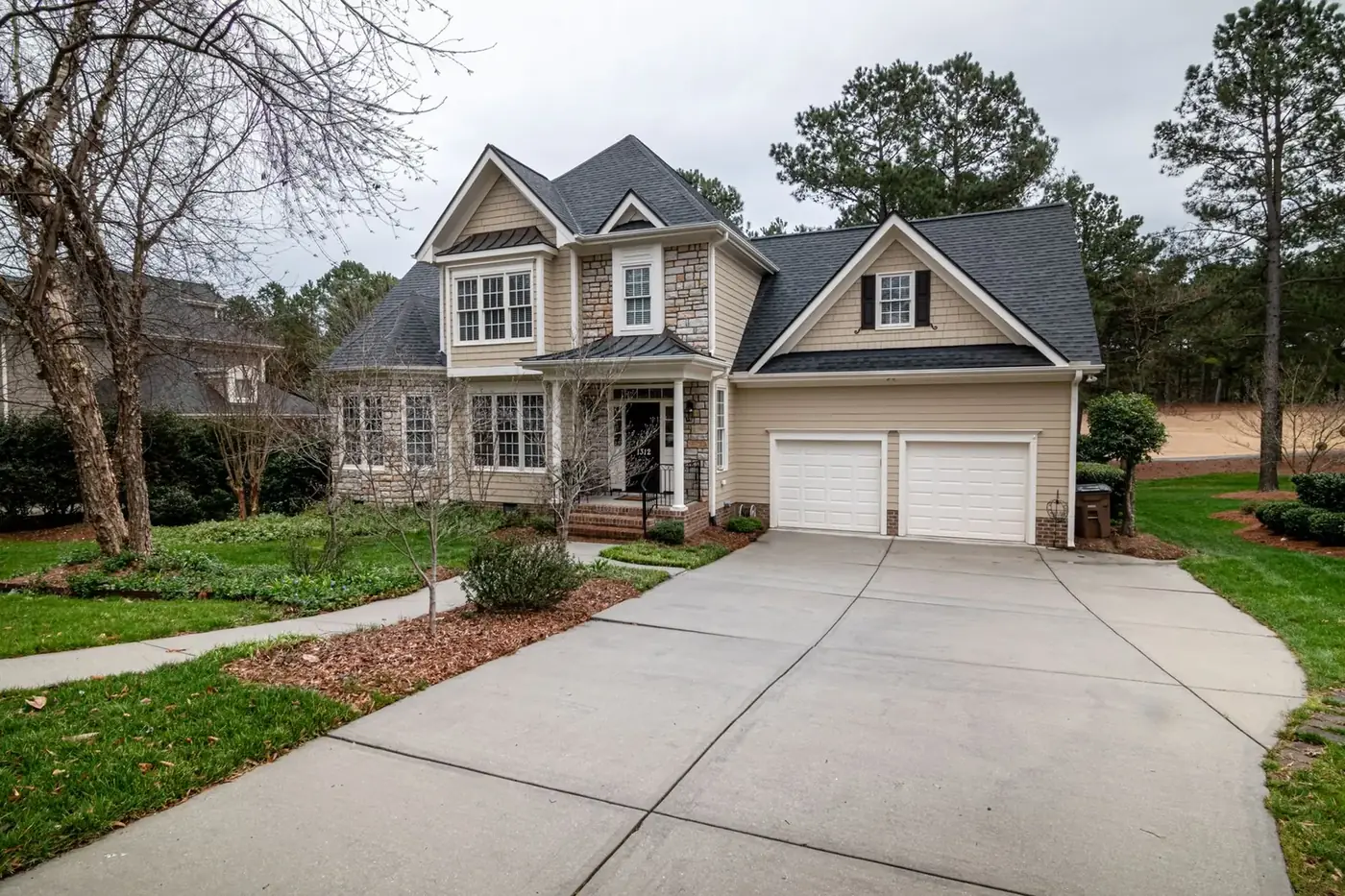
| Suburban 2-car driveway | 20×30 ft (600 sq ft) | $4,800–$9,000 | $6,000–$12,000 |
| Long suburban or rural drive | 12×80 ft (960 sq ft) | $7,700–$14,400 | $9,600–$19,200 |
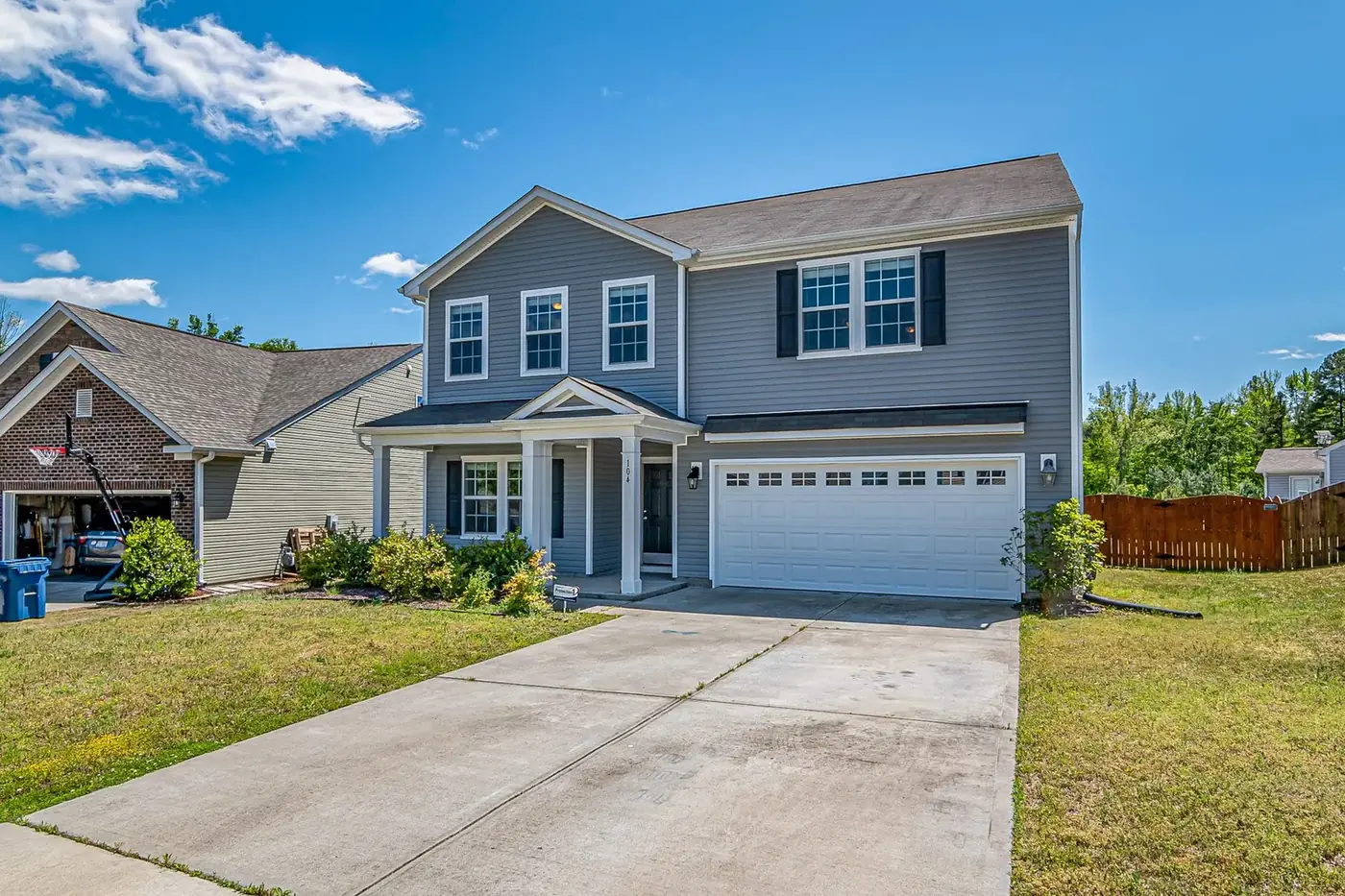
Where your project lands in those ranges depends mostly on four things:
- Thickness. Four inches is the usual thickness for passenger cars. Five to six inches makes sense if you park a pickup, RV, trailer or work truck, and at the street end of the driveway where plows and delivery trucks do the most damage. Extra thickness typically adds $1–$3 per square foot, depending on reinforcement. Our driveway thickness guide goes into more detail.
- Base work. Soft clay, a missing base, or water problems mean more excavation and more stone.
- Shape and access. In the city, many driveways are long, narrow strips running beside the house to a detached garage in back, and some are shared with a neighbor. When a truck can’t reach the pour, concrete has to be pumped or wheeled in, which adds labor.
- The apron. The section between the sidewalk and the street usually sits in the public right-of-way (see the permits section below). It also takes the heaviest plow and truck traffic, so it’s worth doing right.
Example: what’s inside a 2-car driveway replacement
To make those ranges concrete, here’s an illustrative breakdown for replacing a 600-square-foot, two-car driveway in the Buffalo suburbs with a 4-inch, broom-finish, air-entrained slab. It’s an example, not a quote. Your line items will depend on your site.
| Line item | Example cost |
|---|---|
| Break out and haul away old driveway | $1,500 |
| Excavate + 6″ compacted stone base | $1,500 |
| Forms and reinforcement | $900 |
| Air-entrained 4,000 PSI concrete (about 8 cu yd) | $1,600 |
| Placing, broom finish, control joints (labor) | $2,400 |
| Curing compound and first sealer | $450 |
| Apron permit (if required) | Varies by municipality |
| Example total | about $8,350 (≈ $14 / sq ft) |
Notice that the concrete itself is less than a fifth of the total. Most of the money goes into removal, the base, and skilled labor. That’s why a bid that looks thousands cheaper almost always has less base, thinner concrete, no reinforcement, or no haul-away. Ask to see it line by line.
Concrete vs. asphalt vs. pavers for a Buffalo driveway
| Material | Upfront cost | Upkeep | Winter notes |
|---|---|---|---|
| Concrete | $8–$15 / sq ft | Seal every 2–3 years | Needs air-entrained mix + good base |
| Asphalt | Usually lower | Sealcoat regularly | Flexes with frost; softens in heat |
| Pavers | Usually higher | Re-sand, reset shifted units | Can heave; easy spot repair |
Asphalt usually wins on upfront price, and pavers win on spot repairs. Concrete wins on how little attention it needs year to year once it’s built correctly, which is why most of the Buffalo homeowners we work with choose it for driveways they plan to keep.
Replace, resurface or repair?
Not every tired driveway needs to be torn out. If the slab is still level, drains properly, and has only surface wear or small cracks, concrete driveway resurfacing at roughly $4–$8 per square foot can add years of life for about half the cost of replacement. If it’s heaving, sinking, broken into pieces, or sending water toward your foundation, resurfacing only hides the problem for a season or two, and replacement is the better use of your money. Our guide to driveway repair vs. replacement walks through the warning signs.
To see how we build driveways for Buffalo winters, visit our concrete driveway installation page.
Getting quotes for a driveway? Call (716) 396-6033. We’ll measure, look at the base and drainage, and explain exactly what’s in our number.
Concrete Patio Cost in Buffalo
A plain broom-finish concrete patio typically runs $8 to $14 per square foot in Buffalo. Integral color adds about $1–$3 per square foot, and stamping roughly doubles the base price. Here’s how common sizes compare:
| Patio size | Broom finish | Integral color | Stamped |
|---|---|---|---|
| 12×12 ft (144 sq ft) | $1,150–$2,000 | $1,300–$2,450 | $2,000–$3,450 |
| 16×20 ft (320 sq ft) | $2,550–$4,500 | $2,900–$5,450 | $4,500–$7,700 |
| 20×20 ft (400 sq ft) | $3,200–$5,600 | $3,600–$6,800 | $5,600–$9,600 |
On a Buffalo patio, two things matter more than the finish. The first is slope. A patio should pitch gently away from the house so rain and meltwater don’t run toward the foundation, and plenty of basements here already fight water. The second is downspouts. If a downspout empties onto the patio, that corner turns into an ice rink every winter and soaks the base every spring. Decide where that water goes before any concrete is poured.
Other things that change the price: steps down from a back door, seat walls, a fire-pit pad, curves, and removing an old patio or deck footings first. If you’re weighing concrete against pavers, the short version for Buffalo is this: stamped concrete usually costs less upfront and doesn’t shift or sprout weeds between joints, while pavers are easier to spot-repair. Both need upkeep. See concrete patio installation and stamped concrete for design options.
Concrete Steps and Porch Cost
Front steps take more abuse than any other concrete on a Buffalo house. They get salt off boots, snow shoveled onto them, and water dripping off the roof, and when they start to crumble they become a safety problem, not just an eyesore.
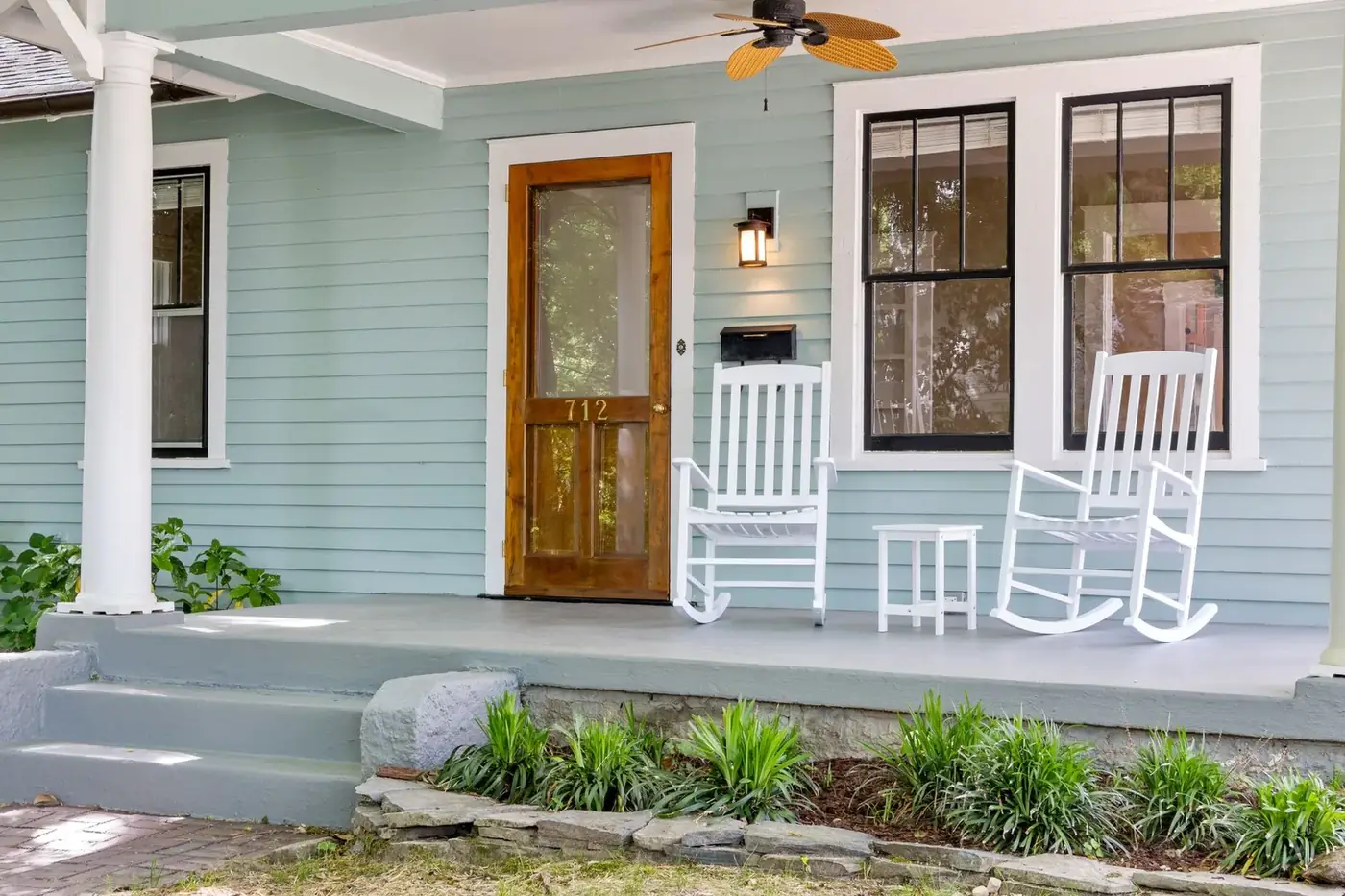
Replacing a typical three- or four-step poured front stoop with a small landing usually costs $2,500 to $6,000, including demolition of the old steps. Wider steps, bigger porches, curved designs, and stamped or colored finishes cost more. Railings are usually priced separately.
Steps are priced like a small construction project, not just a pour. They need forms built to consistent riser heights and tread depths, proper support underneath, a landing that meets the New York State building code, and a finish with real traction for icy mornings. Many older Buffalo homes, especially the doubles built in the early 1900s, have stoops that have been added onto or patched several times. Those usually have to come out completely. See concrete steps and porches for more.
Walkway and Sidewalk Cost
New concrete walkways usually run $8 to $15 per square foot. A 4-foot-wide, 40-foot-long front walk (160 square feet) typically lands between $1,300 and $2,400. Width, curves, steps, and decorative borders add cost. For walkways, a broom finish is the practical choice because it gives shoes something to grip in slush.
The public sidewalk in front of your house is a different story. In the City of Buffalo, the public sidewalk and the driveway apron sit in the public right-of-way, so check with the city before any work starts. City street trees are a common cause of heaved sidewalk slabs in older neighborhoods like Elmwood Village and North Buffalo, so talk to the city before cutting roots near a street tree.
Learn more on our concrete walkway installation page, or see commercial concrete sidewalks and curbs for business properties.
Concrete Pool Deck Cost
A broom-finish concrete pool deck typically costs $10 to $18 per square foot, and a stamped deck about $16 to $26. For a 500-square-foot deck, that’s roughly $5,000–$9,000 for broom finish or $8,000–$13,000 stamped.
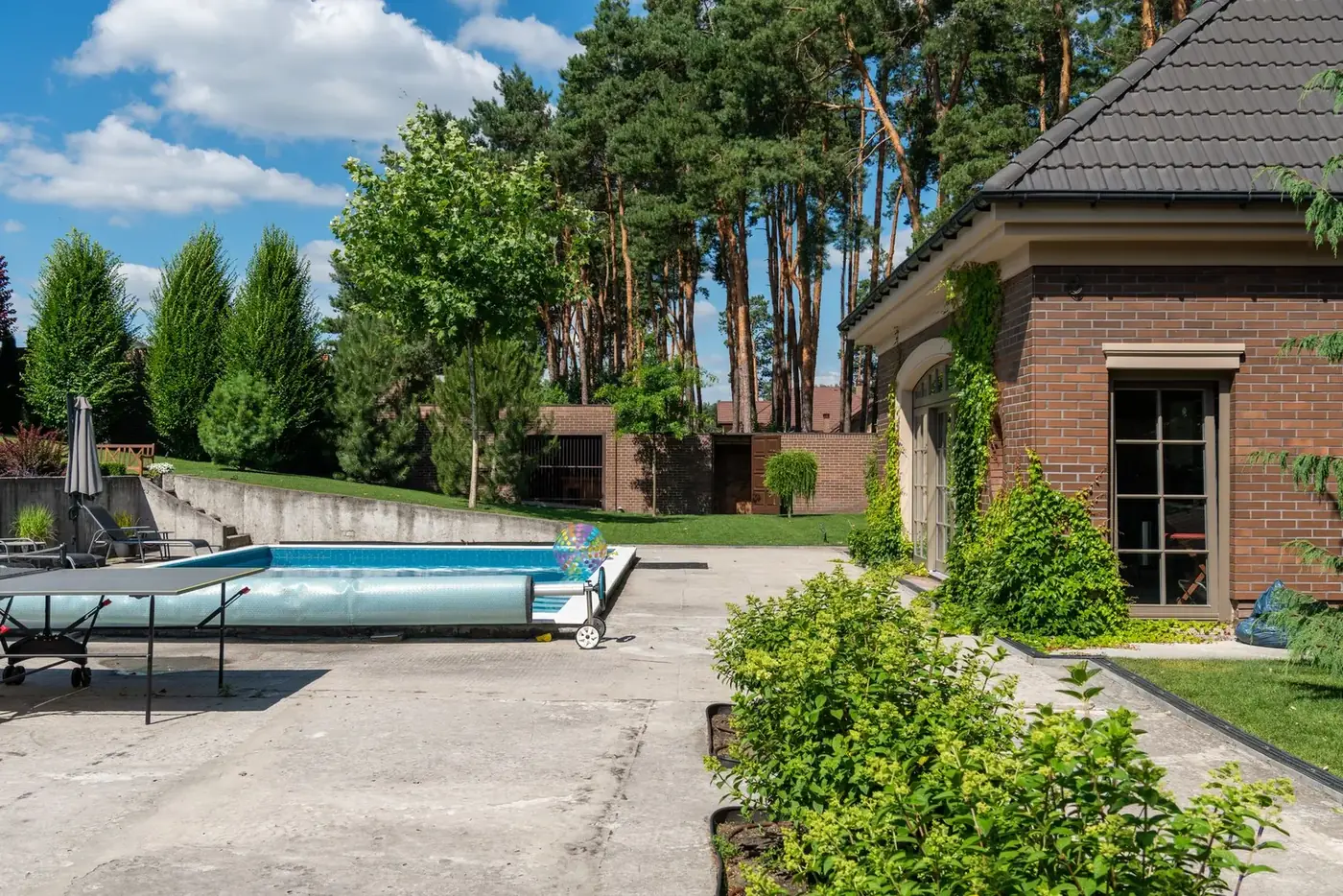
The priorities on a pool deck are slip resistance, drainage away from both the pool and the house, and a proper joint where the deck meets the coping. Western New York pool decks spend more of the year under snow than in the sun, so sealing matters and deicers should stay off them. If you want to swim on a new deck in June, plan the work for the fall before or early spring. See concrete pool deck installation.
Decorative Concrete: What Each Finish Adds
| Finish | Typical cost | Best for | Buffalo note |
|---|---|---|---|
| Broom finish | Included | Driveways, walks, steps | Best grip on ice |
| Integral color | +$1–$3 / sq ft | Patios, walks | Color runs all the way through |
| Exposed aggregate | $10–$18 / sq ft | Driveways, patios | Grippy, hides salt stains |
| Stamped | $14–$24 / sq ft | Patios, pool decks | Reseal every 2–3 years |
| Stamped border | By linear foot | Driveways, walks | Style where plows don’t reach |
Decorative finishes work well in Buffalo when they come with a maintenance plan. Stamped and colored concrete should be sealed once it has cured and resealed every two to three years, and it should never see ammonium-based deicers. A popular compromise on driveways is a broom-finish field with a stamped or colored border, which gives you the look without putting the decorative surface under the plow. Explore exposed aggregate, colored concrete slabs, and broom finish and textured concrete.
Repair, Resurfacing, Sealing and Restoration Costs
If your concrete is structurally sound, you may not need new concrete at all. Typical 2026 prices:
| Service | Typical cost |
|---|---|
| Crack cleaning and sealing | $250–$800 per visit |
| Resurfacing (overlay) | $4–$8 / sq ft |
| Professional sealing | $1–$2.50 / sq ft |
| Recoloring faded concrete | $2–$5 / sq ft |
| Full restoration | Quoted after inspection |
Repair or replace? A quick guide
| What you see | Usually | Why |
|---|---|---|
| Hairline cracks | Seal and monitor | Normal shrinkage |
| Cracks up to 1/4″, still level | Repair and seal | Slab is stable |
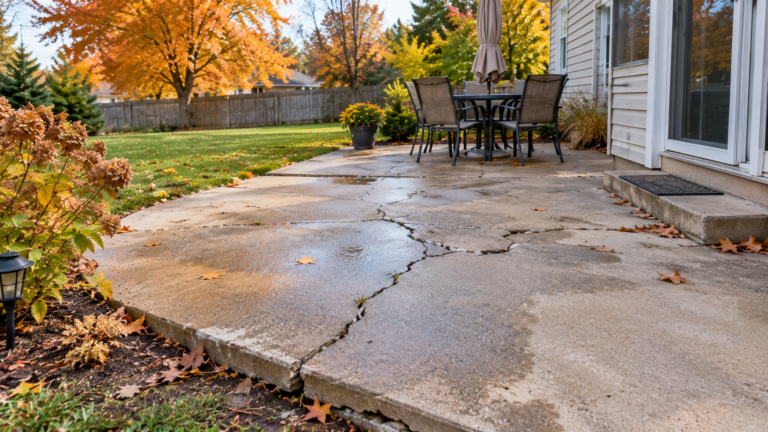
| Surface flaking or pitting | Resurface or replace | Depends on depth |
| Slab heaved or sunk 1″+ | Replace section | Base has failed |
| Water pooling by the house | Replace and regrade | Drainage is the problem |
| Crumbling front steps | Replace | Damage runs deep |
Here’s the honest rule: resurfacing, recoloring and sealing are great value on concrete that isn’t moving, and money wasted on concrete that is. For more, see concrete restoration, concrete recoloring, sealing and surface treatments, plus our articles on driveway resurfacing mistakes and concrete sealer services.
Not sure if your concrete needs a repair or a full replacement? Call (716) 396-6033 and describe what you see. We’ll tell you honestly which one makes sense.
Commercial Concrete Pricing
Commercial sidewalks, curbs, loading docks, ramps, floors and foundations are priced per project. Scale, access, traffic control, phasing work so a business can stay open, and accessibility requirements vary too much for a per-foot number to be useful. Business ramps and sidewalks also have to meet accessibility rules under the Americans with Disabilities Act, which limit how steep they can be and affect the layout and the price.
For property managers and business owners, we can walk the site with you, flag trip hazards and liability items first, and schedule work around your tenants and deliveries. See commercial sidewalks and curbs, loading docks and ramps, and commercial floors and foundations.
10 Factors That Move Your Concrete Price
- Size and shape. Larger areas lower the per-foot price. Curves, angles and multiple levels add forming and finishing time.
- Tear-out and disposal. Old concrete, especially thick or reinforced concrete, has to be broken up, loaded and hauled away.
- Base and soil. Soft clay, poor drainage or no existing base means more digging and more stone.
- Thickness and mix. Thicker slabs and higher-strength, air-entrained mixes use more material.
- Reinforcement. Rebar and welded wire add material and labor, and they’re worth it where loads or soils demand them.
- Finish. Broom finish is included. Color, stamping and exposed aggregate add cost.
- Access. If the concrete truck can’t reach the pour, the concrete has to be pumped or wheeled in.
- Grading and drainage. Fixing a slope or rerouting a downspout adds a little now and saves a lot later.
- Permits and right-of-way work. Aprons, curb cuts and public sidewalks involve permits and sometimes inspections.
- Season and weather. Late-fall pours may need insulated blankets, heated materials or accelerating admixtures, which add cost. Spring and early summer calendars fill up first.
Crew tip: If the forecast shows nights near freezing in the week after a pour, protection (blankets, heated materials or both) should be planned before the concrete truck is ever ordered, not improvised on the day.
— Buffalo Concrete INC crew
In practice, that means late-fall concrete in Buffalo is possible, but it has to be planned and protected. If a contractor is happy to pour on frozen ground in November without talking about protection, that’s a warning sign, not a bargain.
Permits and Rules in Buffalo and Erie County
In the City of Buffalo, work in the public right-of-way (the driveway apron, curb cuts and the public sidewalk) needs city approval before it starts, and some private projects need a building permit too. Rules and fees change, so confirm what applies to your address before work begins.
Buffalo’s zoning code, known as the Green Code, also has rules that can affect where a driveway goes, how wide it can be, and parking in front yards. That matters if you’re widening a driveway or adding a parking pad.
Outside the city, each town and village has its own building department and its own rules for driveways, curb cuts and work near the road. Before any work starts, check with the building department for your address. These are the communities we work in most:
| Municipality | County | Find it on the map |
|---|---|---|
| Amherst | Erie | Google Maps |
| Cheektowaga | Erie | Google Maps |
| Tonawanda | Erie | Google Maps |
| West Seneca | Erie | Google Maps |
| Lancaster | Erie | Google Maps |
| Clarence | Erie | Google Maps |
| Hamburg | Erie | Google Maps |
| Orchard Park | Erie | Google Maps |
| Niagara Falls | Niagara | Google Maps |
| Kenmore (village) | Erie | Google Maps |
| Williamsville (village) | Erie | Google Maps |
Any project that involves digging also starts with a free utility locate. Calling 811 before digging gets underground gas, electric and water lines marked, and a professional contractor takes care of this before excavation.
Who pulls the permit? Ask before you sign. A professional contractor will tell you up front which permits your project needs and who is responsible for getting them. If someone tells you that you don’t need a permit for work in the street right-of-way, get a second opinion.
How to Get an Accurate Quote and Compare Bids Fairly
The only way to get a real number is a site visit. Before it, jot down rough dimensions, snap a few photos, and note what you park, what’s bothering you (water, cracks, looks, safety), and when you’d like the work done. Then make sure every written estimate you get spells out:
- Square footage and slab thickness
- Concrete strength (PSI) and whether the mix is air-entrained
- Base depth, base material and compaction
- Reinforcement type (rebar, wire mesh or fiber)
- Control-joint layout
- Finish, color and sealer
- Demolition and haul-away of old concrete
- Grading and drainage work
- Permits, and who is getting them
- Start and completion dates, and the payment schedule
New York State also has specific rules for home improvement contracts. Under the state’s General Business Law, home improvement contracts have to be in writing and spell out the work, the price and the payment terms. Make sure yours does.
Crew tip: Get it all in writing: what’s being poured, how thick, on what base, when it starts and when you pay. A contractor who won’t write it down won’t stand behind it either.
— Buffalo Concrete INC crew
A few more checks are worth the ten minutes: ask for proof of insurance, read the contractor’s Google reviews, look them up with the Better Business Bureau, and ask for the addresses of a few recent jobs you can drive past. Concrete that’s a few years old tells you more than any brochure.
How to Save Money Without Cutting Corners
- Book early. Winter and early spring bookings get the best dates before the calendar fills.
- Combine projects. A driveway, front walk and apron poured together share one crew trip and one set of trucks.
- Put decoration where it shows. Use broom finish on large areas and save stamping and color for patios, borders and entries.
- Repair or resurface when the slab is sound. Replacement isn’t always the answer.
- Protect what you have. Seal every two to three years, skip ammonium-based deicers, and ask your plow service to use shoes or a rubber edge on concrete.
- Never save money on the base, the mix, the reinforcement or the drainage. Those are the parts you can’t fix later without starting over.
Red Flags in a Cheap Concrete Bid
- “We have leftover concrete from a job down the street.”
- Cash only, a large deposit up front, or no written contract.
- No mention of base depth, PSI, air entrainment or reinforcement.
- “You don’t need a permit for that” about work in the street right-of-way.
- Willing to pour on frozen ground or into standing water.
- A per-foot price far below every other bid you’ve received.
- No business address, no reviews, and no proof of insurance.
How We Build Concrete at Buffalo Concrete INC
- Call or request an estimate. Reach us at (716) 396-6033 or request an estimate online.
- Site visit. We measure, check the existing base, drainage and access, and talk through finishes.
- Written, itemized estimate. You’ll see what’s included, line by line.
- Scheduling and prep. We confirm permit requirements for your address and have underground utilities marked through 811 before any digging.
- Tear-out and excavation. Old concrete is removed and hauled away, and the area is dug to the depth your soil needs.
- Base, forms and reinforcement. A compacted gravel base graded for drainage, then forms and rebar or wire mesh.
- Pour and finish. Air-entrained concrete, placed and finished, with control joints laid out to control cracking.
- Cure and aftercare. We tell you when you can walk and drive on it, and when and how to seal it.
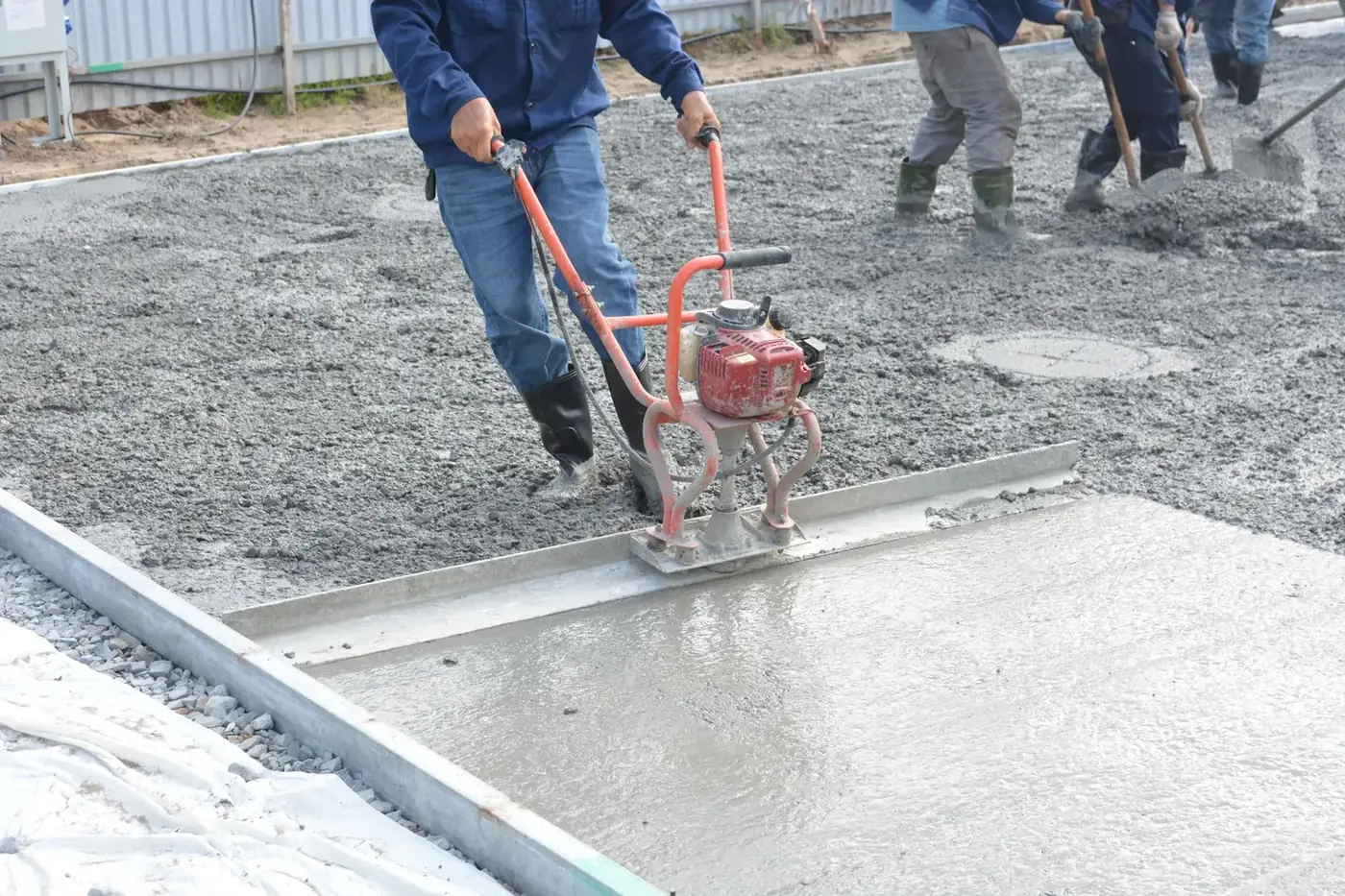
Buffalo Concrete INC is the same local crew that built its reputation as Concrete in Buffalo, with the same people doing the work. You can read what our customers say in our Google reviews.
How Long Does a Concrete Project Take?
For a typical residential driveway or patio, the work on site is shorter than most people expect. Scheduling and curing take longer than the pour itself.
| Stage | Typical time |
|---|---|
| Site visit and written estimate | A few days after you call |
| Permits (when required) | Days to a few weeks |
| Tear-out, excavation and base | 1–2 days |
| Forms, reinforcement and pour | 1 day |
| Foot traffic | After about 24–48 hours |
| Passenger cars | After about 7 days |
| Heavy trucks, RVs, dumpsters | After about 28 days |
Cool weather slows curing, so late-season pours need more patience before you drive on them. We’ll give you the exact timeline for your slab on pour day. Concrete keeps gaining strength for weeks, which is why the first salt season is the one to be most careful with. Our driveway maintenance guide covers what to do (and not do) that first winter.
Serving Buffalo and the Surrounding Communities
We pour and repair concrete throughout the City of Buffalo and across Amherst, Cheektowaga, Tonawanda, West Seneca, Lancaster, Clarence, Hamburg, Orchard Park and Niagara Falls. Not sure if you’re in our area? See all the areas we serve, or just call.
Find Buffalo Concrete INC on Google
Buffalo Concrete INC · 1477 Main St, Buffalo, NY 14209 · (716) 396-6033
Get directions · Read our Google reviews · See all the areas we serve
Frequently Asked Questions About Concrete Costs in Buffalo
How much does a concrete driveway cost in Buffalo, NY?
Most broom-finish concrete driveways in Buffalo cost about $8 to $15 per square foot installed in 2026. A typical two-car driveway of 480 to 600 square feet runs about $4,000 to $9,000, plus roughly $2 to $5 per square foot if an old driveway has to be removed first. Thickness, base work, access and finish decide where you land in that range.
Is concrete more expensive than asphalt in Buffalo?
Upfront, a concrete driveway usually costs more than asphalt. Concrete doesn’t need the regular sealcoating asphalt does, holds its shape in summer heat, and, when it’s built with an air-entrained mix on a proper base, handles Buffalo winters well for decades. Many homeowners find the total cost over the life of the driveway is closer than the upfront prices suggest.
How long does a concrete driveway last in Buffalo?
A well-built concrete driveway that’s sealed regularly and kept away from harsh deicers can last 25 years or more in Buffalo. The biggest factors are the base, drainage, the concrete mix, joint layout and how it’s treated in winter. Driveways poured on a thin base or with the wrong mix can fail in a handful of winters.
Why do concrete quotes vary so much?
Most of the difference comes from things you can’t see once the job is done: base depth and compaction, slab thickness, the concrete mix (strength and air entrainment), reinforcement, drainage work, and whether tear-out, haul-away and permits are included. Compare written estimates line by line, not just the total.
Do I need a permit for concrete work in Buffalo?
It depends on the project and your address. Work in the public right-of-way, such as a driveway apron, curb cut or public sidewalk, generally needs a city permit in Buffalo, and each suburban town has its own rules. Check with your building department, and ask your contractor which permits apply and who will get them.
When is the best time to pour concrete in Buffalo?
Late spring through early fall is the most reliable window. Concrete can be poured in colder weather with protection such as insulated blankets and heated materials, but that adds cost. Spring schedules fill up quickly, so booking in winter or early spring gets you the best dates.
When can I drive on a new concrete driveway?
As a general rule, you can walk on new concrete after about 24 to 48 hours and drive a passenger car on it after about 7 days. Wait about 28 days before heavy trucks, RVs or dumpsters go on it. Cool Buffalo weather slows curing, so late-season pours may need longer. Your contractor should give you a timeline for your specific slab.
Does a concrete driveway need rebar?
Not every slab needs rebar, but most Buffalo driveways benefit from some reinforcement, either steel rebar or welded wire mesh, because of freeze-thaw movement, clay soils and vehicle loads. Reinforcement doesn’t stop concrete from cracking. It holds cracks tight and keeps sections from separating. A good base and properly spaced control joints matter just as much, so make sure your estimate spells out all three.
Should I seal my new concrete?
Yes. In Buffalo, sealing is one of the cheapest ways to protect concrete from water, salt and freeze-thaw damage. New concrete should cure fully before it’s sealed, then be resealed about every two to three years, or sooner on driveways and steps that see heavy salt.
Do you offer free estimates?
Yes. Call Buffalo Concrete INC at (716) 396-6033 or request an estimate online. We’ll visit the site, measure, check the base and drainage, and give you a written, itemized estimate.
Get a Free Concrete Estimate in Buffalo
Driveways, patios, steps, walkways, pool decks, decorative and commercial concrete across Buffalo, Amherst, Cheektowaga, Tonawanda, West Seneca, Lancaster, Clarence, Hamburg, Orchard Park and Niagara Falls.
Call (716) 396-6033Request an Estimate Online
Prefer email? sales@concreteinbuffalo.com