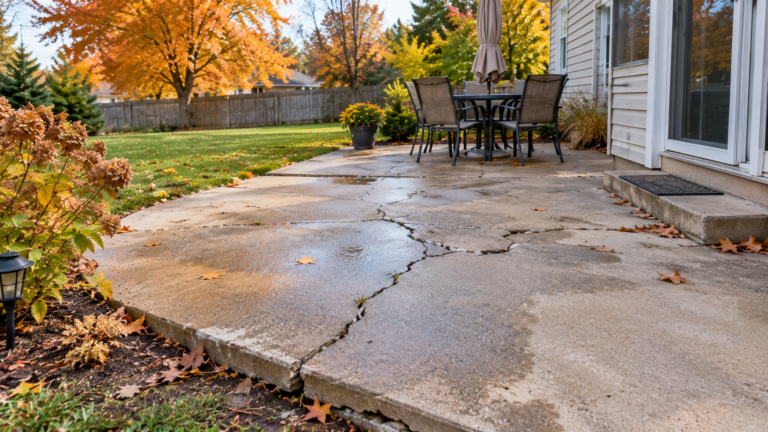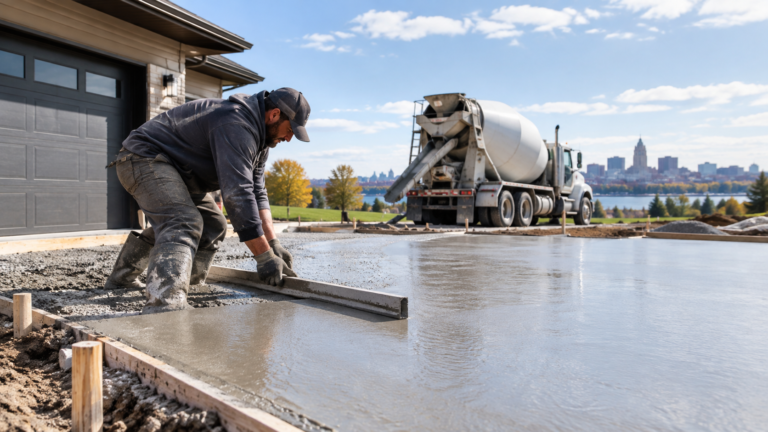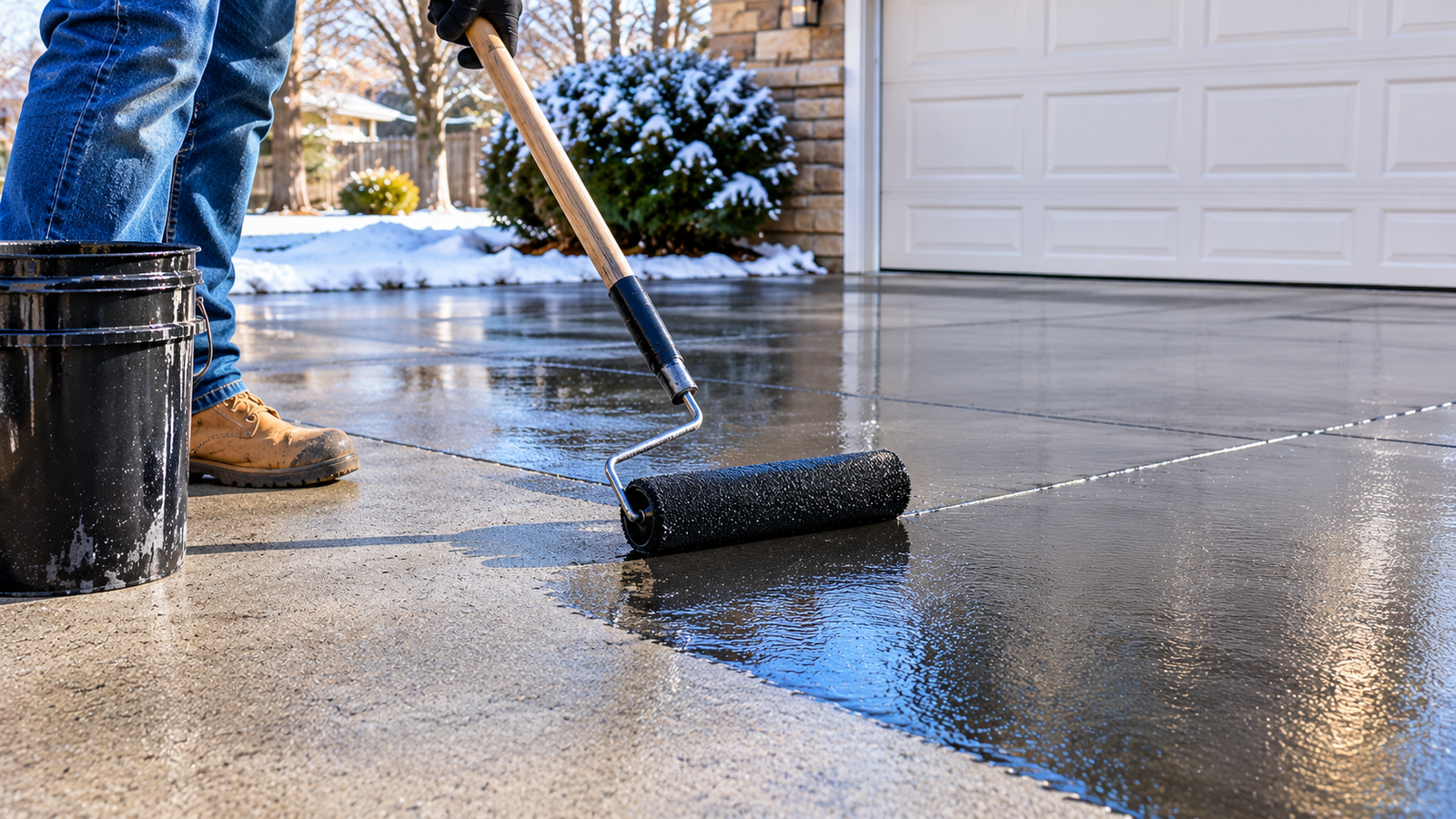
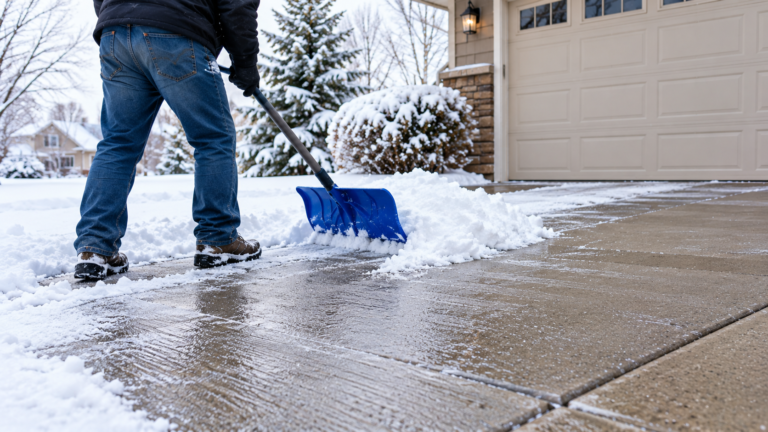
Buffalo winters are honestly rough on more than just people, ya know? Concrete driveways, sidewalks, patios, garage floors, and walkways gotta deal with freezing temps, heavy snow, ice, road salt, and all that back and forth between freezing and thawing. And over time, all that stuff can leave concrete cracked, stained, chipped up, or just weak.
That’s why sealing concrete can actually be a pretty important part of taking care of your property each season. A good sealer makes this protective layer that helps cut down how much water and salt gets into the concrete surface. It doesn’t make the concrete totally immune to winter damage though (nothing really is), but it can help it last longer when you pair it with regular maintenance.
For homeowners who are looking into concrete sealing Buffalo NY, knowing when to seal, what kind of sealer to use, and how it all fits into regular upkeep can honestly make a huge difference.
Why Buffalo Winters Are Hard on Concrete
Concrete looks solid, almost like nothing could break it, but it’s actually a porous material, which kinda surprised me when I first learned that. Little tiny openings in the surface let water sneak into the concrete. When temps drop below freezing, that water freezes up and expands.
One freeze probably won’t cause damage you’d notice. The real problem is when it keeps happening over and over.
During a normal Buffalo winter, snow might melt on a warmer afternoon then freeze right back up again overnight. Each one of them cycles adds a little more stress onto the concrete. After a few seasons, small surface issues can turn into bigger cracks, scaling, and spalling (which is basically when chunks flake off).
Salt is another thing to worry about too. Road salt and deicing stuff get used a ton around driveways and walkways when it’s icy out. These things can add to surface breakdown, especially when the concrete’s already dealing with moisture and all them freeze-thaw cycles.
Good concrete protection winter habits should really start before that first big snowstorm hits.
Concrete Sealing Benefits for Buffalo Properties
There’s a bunch of reasons homeowners decide to seal their concrete. Sealing isn’t just about making a driveway look shiny and new either. The right product can give you an extra layer of protection against some of the stuff that causes concrete to wear out early.
Here’s some of the main concrete sealing benefits worth thinking about:
| Benefit | How It Helps |
| Reduces water absorption | Helps limit moisture entering the concrete surface |
| Helps with salt exposure | Provides an additional barrier against deicing materials |
| Reduces staining | Makes some spills and stains easier to clean |
| Supports winter protection | Helps reduce exposure to moisture before freezing conditions |
| Improves appearance | Can refresh the color and overall look of concrete |
| Simplifies maintenance | Sealed surfaces can be easier to clean |
A sealer should really be seen as just one part of a bigger maintenance plan, not like some magic fix. It can’t repair major structural cracks or fix concrete that’s already messed up pretty bad.
How Freeze-Thaw Cycles Damage Concrete
The freeze-thaw cycle is honestly one of the biggest reasons concrete needs attention in cold places like ours.
Picture a tiny bit of water getting into little pores or cracks in a concrete driveway. When temps drop, that water freezes and expands (like when you leave a soda can in the freezer too long and it explodes, kinda same idea). The pressure that builds up inside can slowly mess with the concrete around it.
When it warms up again, the ice melts. More water might get into that same spot. Then the temp drops again.
This whole thing can happen over and over all winter long.
Over time, homeowners might start noticing stuff like:
- Small cracks getting wider
- Flaking or peeling near the surface
- Rough patches
- Chipped edges
- Surface scaling
- Discoloration
- Areas that seem weaker than the rest
Proper winter concrete maintenance can help lower the chances of these problems turning into something worse.
Salt Damage Prevention Starts Before Winter
Road salt’s great for traction, no doubt, but it’s tough on concrete. Salt by itself isn’t always the whole issue though. Deicing products can add to that repeated melting and refreezing thing, which just means more freeze-thaw cycles hitting the surface.
That’s why salt damage prevention oughta be part of your winter maintenance routine.
Sealing gives you an extra protective barrier, but homeowners should also watch how much deicing stuff they’re using. More salt doesn’t automatically mean better ice protection, even though it feels like it should.
Whenever you can, clear the snow off before putting down deicing products. Use the right amount the product recommends and don’t leave big piles of salty snow sitting against the concrete for too long.
It also helps to rinse or clean the concrete off when the weather lets you. This gets rid of residue before it has a chance to sit there for a long stretch.
When Should You Seal Concrete in Buffalo?
Timing’s a big deal here. Concrete should pretty much always be sealed when the surface is clean, dry, and right for whatever sealer you’re using.
For a lot of Buffalo homeowners, late spring, summer, and early fall give way better working conditions than the dead of winter would. The exact timing really depends on the product, the weather, how the surface looks, and what the manufacturer says to do.
Putting sealer down right before a storm or during wet weather? Not a good idea at all. Moisture can mess with the bonding and curing process.
Before you seal anything, check the concrete over carefully first. Cracks, stains, damaged spots, and any surface breakdown should get addressed first when that makes sense.
A sealer’s meant to protect a surface that’s already in decent shape. It’s not some replacement for fixing concrete that’s already damaged.
Driveway Sealing Buffalo: What Homeowners Should Know
Driveways probably get treated the roughest out of everything on a property. Cars track in water, dirt, salt, and who knows what else. Snowplows and shovels scrape across the surface, and all that freezing and thawing can make existing weak spots even worse.
This is why driveway sealing Buffalo matters a lot for homeowners trying to keep their concrete driveway in good shape.
Before sealing up a driveway, look around for cracks and spots where the surface has started chipping or flaking. Check the edges too, cause damage sometimes starts in spots people don’t really pay attention to.
Cleaning’s another step you can’t skip. Dirt, oil, leaves, salt residue, and other junk can mess with how the sealer works.
Getting a pro to do it can really help when the driveway’s big, worn out a lot, or hard to prep the right way. The goal isn’t just slapping a product onto the surface. Proper prep is usually what actually decides how well the sealer ends up working.
Waterproof Concrete Sealing vs. Surface Protection
You might run into the term waterproof concrete sealing while looking into concrete protection stuff online. It’s worth understanding what that actually means though.
Concrete sealers can cut down water getting in, but no regular surface sealer should be treated like some guarantee that water’s never gonna get through. That’s just not realistic.
Different products are made for different jobs. Some are mainly there to repel moisture, while others might boost the look of the concrete or help resist staining and surface wear.
Picking a product should really depend on where the concrete is and what shape it’s in.
A driveway that’s dealing with road salt and car traffic all the time has different needs than say a decorative patio would. A garage floor might need a totally different kind of protection compared to an outdoor walkway.
The right product should always get picked based on the concrete surface, what it’s exposed to, and what the manufacturer’s instructions say.
Signs Your Concrete May Need Attention
Sealing works best as preventive maintenance, like catching stuff before it becomes a real headache. Waiting until a concrete surface has tons of damage can make the whole project a lot more complicated than it needs to be.
Watch out for:
- Fine cracks appearing across the surface
- Flaking or peeling concrete
- Rough patches
- White or chalky residue
- Dark areas that stay damp
- Chipped corners and edges
- Discoloration that keeps getting worse
- Damage around joints
Not every crack means you gotta replace the whole concrete slab though. Some problems can get fixed up with the right repair and maintenance.
That said, big cracks, major settlement, deep deterioration, or anything structural should get looked at by someone before slapping a sealer on top.
Concrete Maintenance Buffalo NY Homeowners Can Follow
Regular care can help protect your concrete between professional services, honestly it’s not that hard once you get in the habit. A simple maintenance routine can also make problems way easier to spot before they turn into expensive repairs down the road.
Start off by just keeping the surface reasonably clean. Remove leaves, dirt, and other junk instead of letting it sit there on the concrete for months at a time.
During winter, clear snow off carefully. Try not to use sharp metal tools too aggressively against the surface, cause that can scratch stuff up.
Use deicing products responsibly too. Using too much can build up residue and expose the concrete to extra chemical and freeze-thaw stress it doesn’t really need.
Once winter’s over, go inspect the driveway, walkways, patio, and whatever other concrete you got. Look for new cracks, scaling, stains, and any chipped up sections.
This kinda concrete maintenance Buffalo NY routine doesn’t need any complicated equipment or nothing. Being consistent matters way more than trying to do everything all at once.
Final Thoughts
Buffalo winters can be pretty demanding on concrete, but homeowners don’t gotta wait around for serious damage before doing something about it.
Regular cleaning, careful snow removal, responsible use of deicing products, good drainage, fixing stuff on time, and appropriate sealing can all add up to longer-lasting concrete.
The biggest benefit of sealing’s really prevention. When concrete’s in good condition, protecting it before winter can be way easier than dealing with extensive damage after the fact.
For homeowners researching concrete sealing Buffalo NY, the best place to start’s with an honest look at the concrete already on the property. Check for cracks, scaling, stains, drainage problems, and signs of past winter damage.
If the surface is suitable for sealing, the right prep and application can add an extra layer of concrete protection winter homeowners can count on as part of a bigger maintenance plan.
Whether you’re dealing with a driveway, walkway, patio, garage floor, or some other concrete surface, staying consistent with care can help you get more years outta your investment. Buffalo weather’s not going anywhere anytime soon, but a practical maintenance routine can get your concrete better ready for whatever next winter throws at it.
Protect Your Concrete Before Buffalo Winter
If your driveway or other concrete surfaces need sealing, repair, or winter protection, the team at Concrete in Buffalo can help you get your property ready for the season. Visit https://concreteinbuffalo.com/ or call (716) 396-6033 to talk about your concrete needs and get started.
Frequently Asked Questions
1. How often should concrete be sealed in Buffalo?
The right schedule depends on the type of sealer, concrete condition, traffic, and exposure. Instead of automatically sealing every single year, inspect the surface and follow what the product manufacturer recommends.
2. Should concrete be sealed before winter?
Sealing before winter can be beneficial when the concrete’s clean, dry, properly prepped, and in suitable condition. The timing should also give the sealer enough time to cure properly before freezing temps show up.
3. Does concrete sealing prevent salt damage?
Sealing can help cut down the amount of moisture and salt-related exposure reaching the concrete surface. It can’t guarantee complete protection from salt damage though, especially when the concrete’s already got cracks or deterioration going on.
4. Can you seal cracked concrete?
Sealing doesn’t replace proper crack repair. Cracks should get evaluated and dealt with when necessary before you put on a protective sealer.
5. What is the best time to seal concrete in Buffalo?
Warmer, dry weather’s generally way more suitable than cold or wet conditions. The exact application conditions depend on whatever sealer’s being used.